
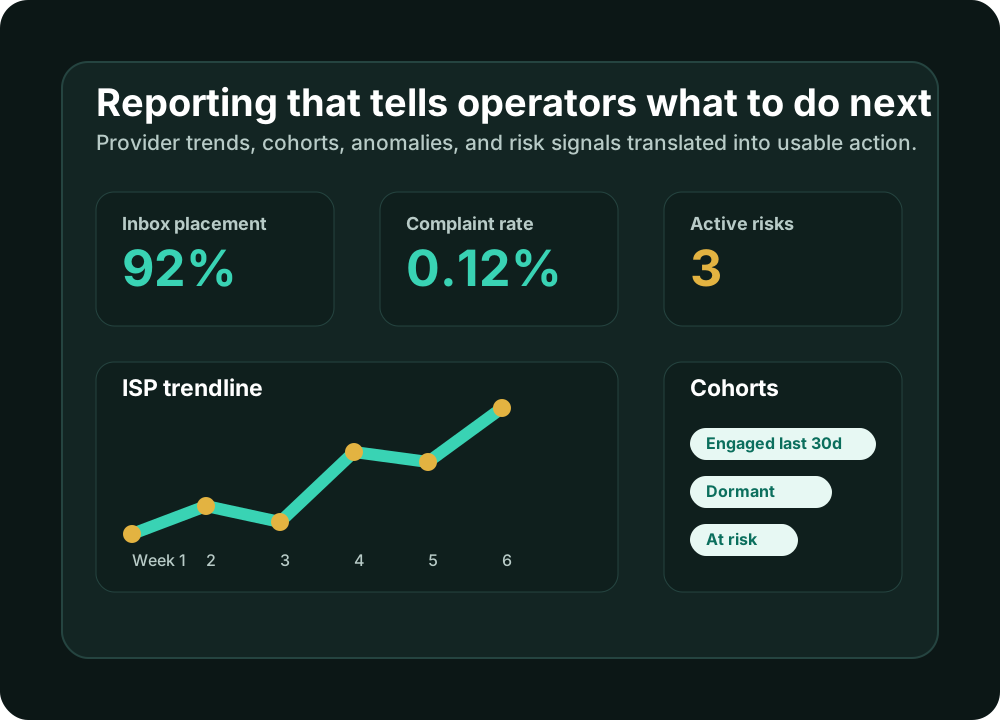
Reporting for decisions, not decoration
NitWings connects ESP metrics, MTA logs, DMARC reports, Postmaster data, SNDS, blocklist status, engagement cohorts, and campaign history into practical views of delivery health.
Deliverables
Outputs include dashboard blueprint, metric definitions, report structure, campaign risk fields, and action-oriented summary format.
Where this service helps
Deliverability Analytics and Reporting is useful when teams need a clear technical path, not only a surface-level recommendation. Build campaign, ISP, IP, domain, cohort, client, and risk reporting that explains what to do next. NitWings reviews the visible symptom, the underlying system behavior, and the operational process around it so the fix is practical for marketing, platform, and DevOps teams.
Signals reviewed
- ESP metrics, MTA logs, DMARC reports, Postmaster data, SNDS, blocklists, and campaign history.
- ISP-level reporting, cohort behavior, risk fields, alert quality, and client-facing summary needs.
- Data integration points, dashboard definitions, trend baselines, and action thresholds.
Work included
- Discovery call to understand the sending model, affected domains, tools, traffic streams, and current pain.
- Evidence review using DNS records, message headers, platform data, logs, reports, provider signals, and recent changes.
- Prioritized remediation plan that separates urgent production risks from longer-term improvements.
- Hands-on implementation guidance for DNS, platform settings, infrastructure, monitoring, or operational workflow.
Useful outcomes
- Clear explanation of what is failing, why it matters, and which team owns the fix.
- Practical checklist for implementation, validation, monitoring, and follow-up review.
- Reduced uncertainty before high-value sends, migrations, policy changes, or incident recovery.
- Documentation your team can reuse for future audits, provider changes, and operational handover.
Engagement flow
NitWings starts with the symptom, confirms it against evidence, then turns the findings into a sequence your team can execute. The goal is not a generic report. The goal is a working email, infrastructure, or monitoring process that your team can understand and continue operating.
What should we share first?
Send the domain, affected platform, recent headers, bounce samples, provider warnings, screenshots, logs, and the change that happened before the issue appeared.
How quickly can this help?
Urgent issues are triaged by blast radius. Broken authentication, blocklists, throttling, spam placement, queue backlog, and provider warnings are reviewed first.
What happens after the fix?
You receive notes, validation steps, monitoring recommendations, and prevention guidance so the same class of issue is easier to detect next time.